
Low-Impact Exercises For Seniors And Children
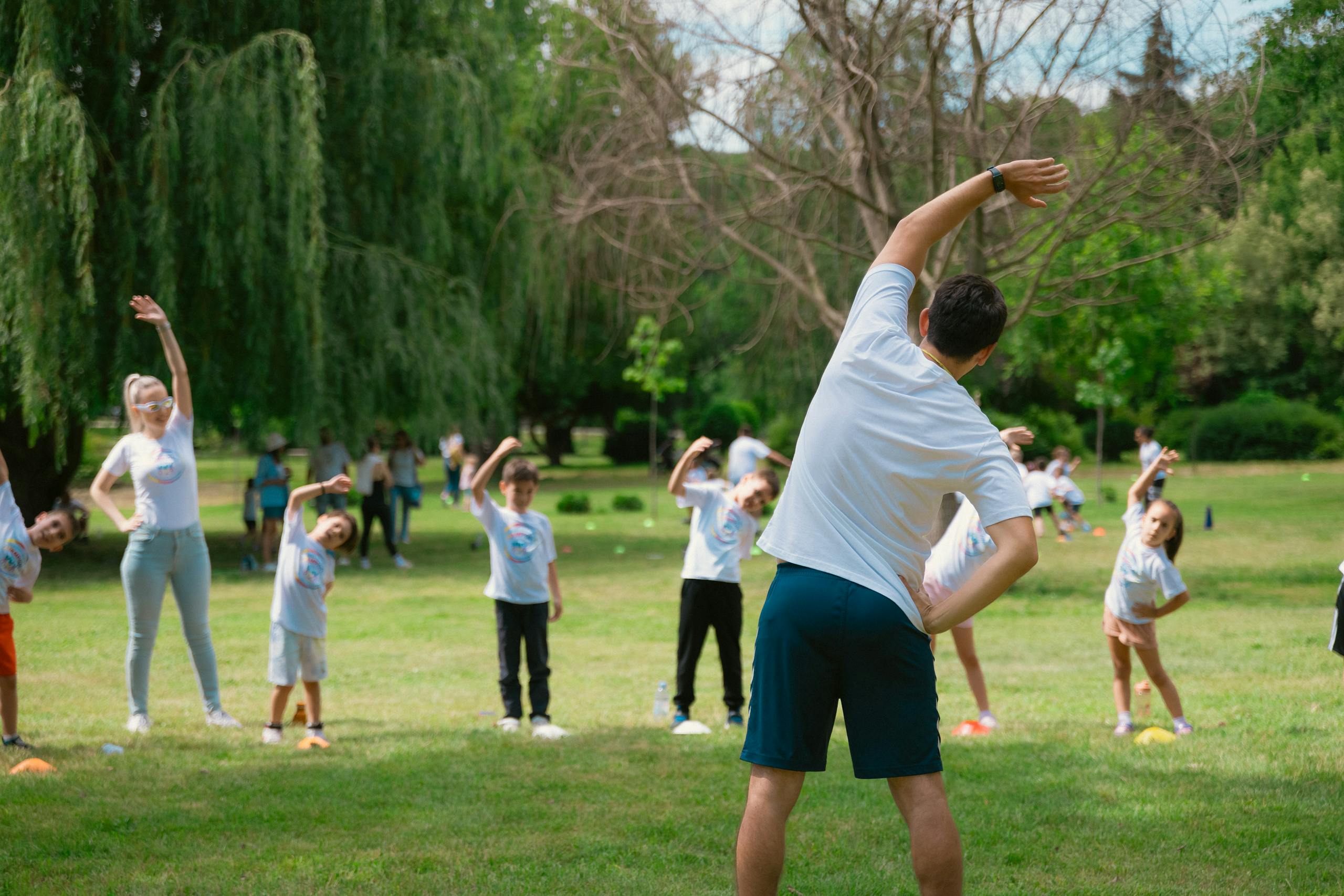
Physical activity is essential at every stage of life, yet finding exercises that safely accommodate both a 7-year-old’s boundless energy and a 70-year-old’s need for joint protection can seem challenging. The solution lies in low-impact exercises—movements that keep at least one foot on the ground and minimize stress on joints while still delivering significant health benefits.
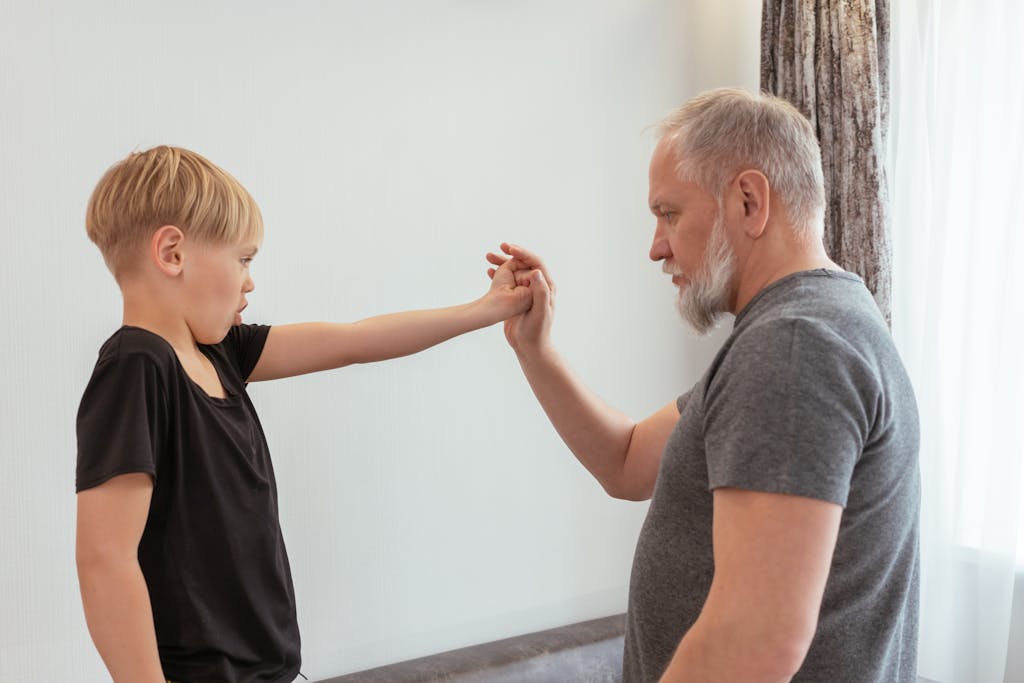
When designed thoughtfully, shared exercise sessions create opportunities for bonding, mutual encouragement, and improved health outcomes for participants of all ages.
Understanding Low-Impact Exercise
Low-impact exercises are physical activities that place minimal stress on joints, bones, and connective tissues. Unlike high-impact activities such as running or jumping, low-impact movements are gentler on the body while still providing cardiovascular, strength, and flexibility benefits.
According to health research, low-impact exercises allow older adults to stay physically active without stressing their joints, offering benefits including improved mobility, better balance and coordination, enhanced cardiovascular fitness, increased strength, and improved mental well-being (Healthline, 2024).
The Benefits of Intergenerational Exercise
For Older Adults
Research demonstrates that more than half of studies examining low-intensity exercise support its benefits for fall prevention in older adults (PMC, 2015). Additional benefits include:
- Maintained muscle mass and bone density
- Improved balance reducing fall risk
- Enhanced cognitive function
- Decreased symptoms of depression and anxiety
- Greater social engagement
A 2025 randomized controlled study found that older adults who performed regular strength and balance exercises had a significantly decreased risk of falls compared to control groups (25.4% vs. 44.3%) (Taylor & Francis, 2025).
For Children
Children benefit from low-impact exercise through:
- Development of motor skills and coordination
- Establishment of lifelong fitness habits
- Understanding that exercise can be enjoyable at any pace
- Learning patience and adaptation when exercising with others
- Improved emotional regulation
Shared Benefits
When generations exercise together, research findings indicate that moderate or vigorous intensity levels may not be necessary to achieve cognitive health benefits—low-intensity exercise can be effective for both young and old (PMC, 2015).
Safe Exercises for All Ages
1. Walking Programs
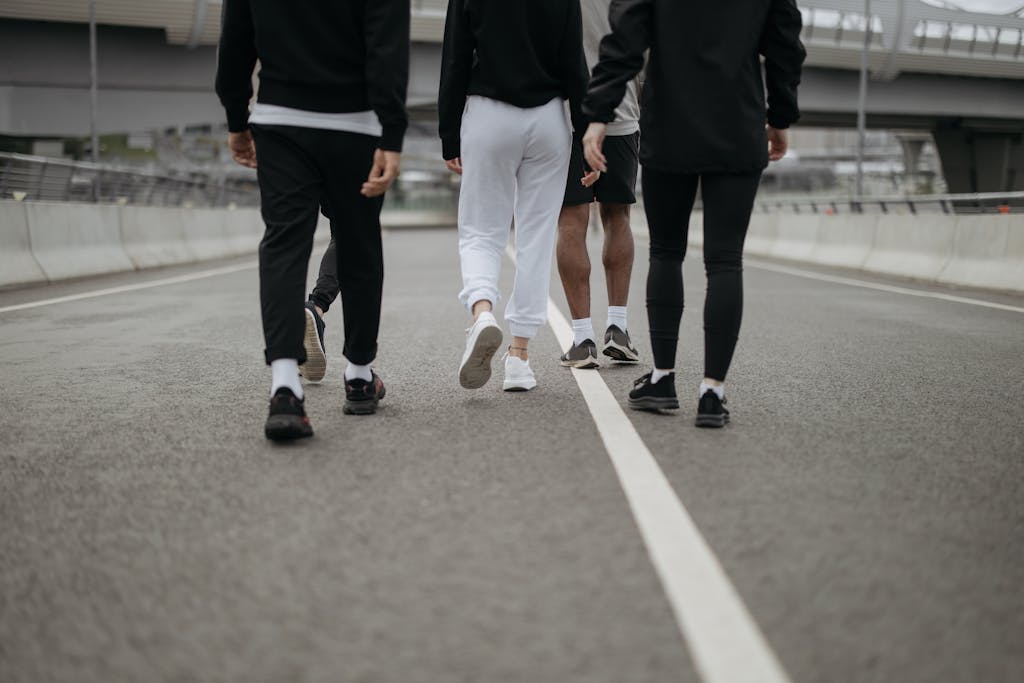
Walking is gentle on the joints and easy to fit into the day (Presbyterian Homes & Services, 2024). For intergenerational walks:
- Start with short distances and gradually increase
- Choose flat, even surfaces to reduce tripping hazards
- Make it interactive: nature scavenger hunts, counting games, or storytelling walks
- Allow for rest breaks and bring water
- Walk side by side to facilitate conversation
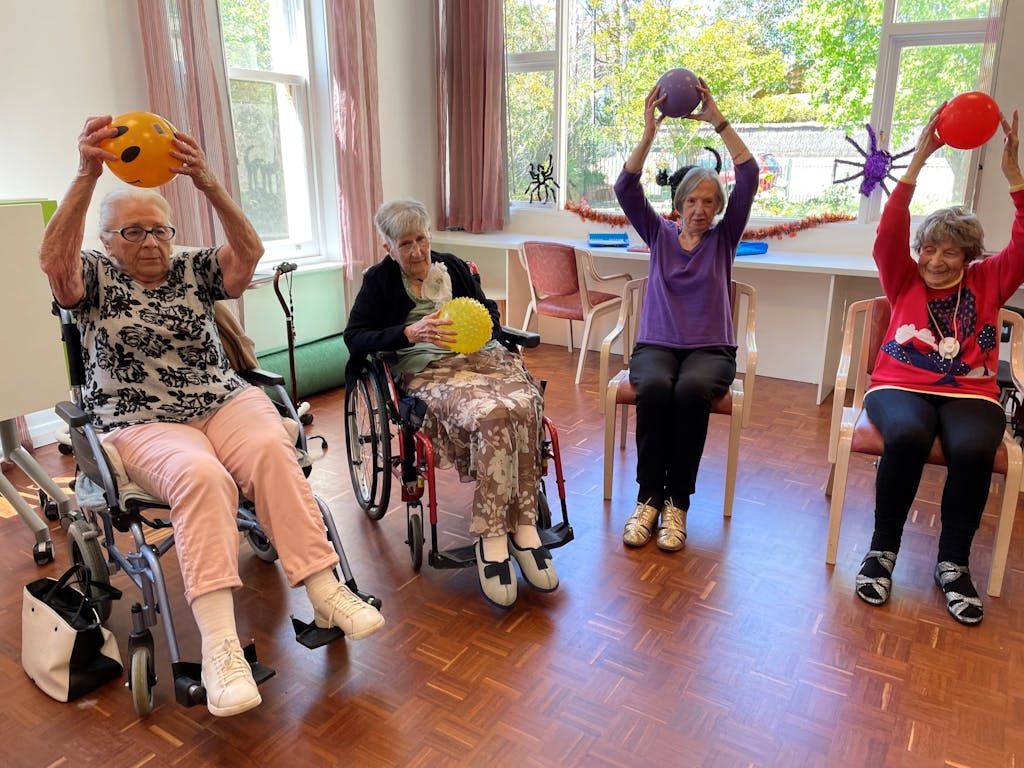
2. Chair-Based Exercises
Seated Marching
- • Sit tall in a sturdy chair
- • Lift knees alternately as if marching
- • Swing arms naturally
- • Continue for 1-2 minutes
Arm Circles
- Extend arms to the sides
- Make small circles, gradually increasing size
- Reverse direction
- Children can stand while seniors remain seated
Ankle Rotations
- Lift one foot slightly off the ground
- Rotate the ankle clockwise, then counterclockwise
- Repeat with the other foot
- Great for circulation and joint mobility
3. Balloon Volleyball
This playful activity provides gentle cardio and coordination practice:
- Use a lightweight balloon instead of a ball
- Play seated or standing
- The slow movement of the balloon allows time for reaction
- Encourages reaching and gentle movement
- Promotes laughter and connection
4. Gentle Stretching Routine
A morning or afternoon stretch routine benefits all ages:
Neck Stretches
- Slowly tilt head toward each shoulder
- Hold for 10-15 seconds per side
- Keep shoulders relaxed
Shoulder Rolls
- Roll shoulders forward in circles
- Reverse direction
- Helps release tension
Seated Twist
- Sit tall, feet flat on floor
- Gently twist torso to one side
- Hold, then repeat on other side
- Promotes spinal mobility
5. Modified Tai Chi Movements
Tai chi has been established as an evidence-based falls prevention program. Tai Ji Quan: Moving for Better Balance™ demonstrates significant benefits when practiced regularly (NCOA, 2024).
Simple movements to try together:
Wave Hands Like Clouds
- Stand with feet shoulder-width apart
- Slowly shift weight side to side
- Move hands in gentle arcs across the body
- Focus on smooth, continuous movement
Grasp the Sparrow’s Tail
- A simplified version involves gentle arm movements
- Promotes balance and concentration
- Can be modified for seated participants
6. Water-Based Activities
Water aerobics and swimming are ideal for back or arthritis pain because the buoyancy of water takes pressure off joints (Presbyterian Homes & Services, 2024).
For intergenerational water activities:
- Shallow water walking
- Gentle water aerobics
- Pool noodle exercises
- Water volleyball with a soft ball
Creating a Safe Exercise Environment
The National Council on Aging emphasizes that exercise spaces should be large, well-lit, and have non-slip, even floors (NCOA, 2024). Additional safety considerations:
Space Requirements
- Clear area of obstacles and tripping hazards
- Ensure adequate lighting
- Maintain comfortable temperature
- Have chairs available for seated options or rest
Supervision Guidelines
- Professional supervision is recommended when possible
- Consider individual abilities and preferences
- Never force movements that cause pain
- Maintain appropriate adult-to-child ratios
Equipment Safety
- Use sturdy, non-rolling chairs for seated exercises
- Ensure any equipment is age-appropriate
- Check balloon integrity to prevent choking hazards
- Have water available for hydration
Sample Weekly Schedule
- Monday: 20-minute walk with nature observation
- Wednesday: Chair-based exercises and stretching (15 minutes)
- Friday: Balloon games and fun activities (20 minutes)
- Weekend: Family activity choice (swimming, dancing, or outdoor play)
Making Exercise Enjoyable
One suggestion for adding enjoyment to exercise is to ask a friend, one of your kids, or a grandchild to put together a playlist of activity-appropriate music. Taking it further to include them in the fun provides social time too—and that’s good for body, mind, and spirit (Our Parents, 2024).
Additional tips:
- Celebrate small achievements together
- Set shared goals that everyone can work toward
- Rotate who chooses the activity
- Take photos or videos to document progress
- Create friendly competitions appropriate for all ability levels
Conclusion
Intergenerational exercise programs offer a unique opportunity to improve physical health while strengthening family and community bonds. By focusing on low-impact activities that accommodate different ability levels, we create inclusive environments where everyone can participate safely and enjoyably.
The evidence is clear: regular physical activity benefits health at every age and sharing that activity across generations multiplies the rewards through enhanced social connection and mutual support.