
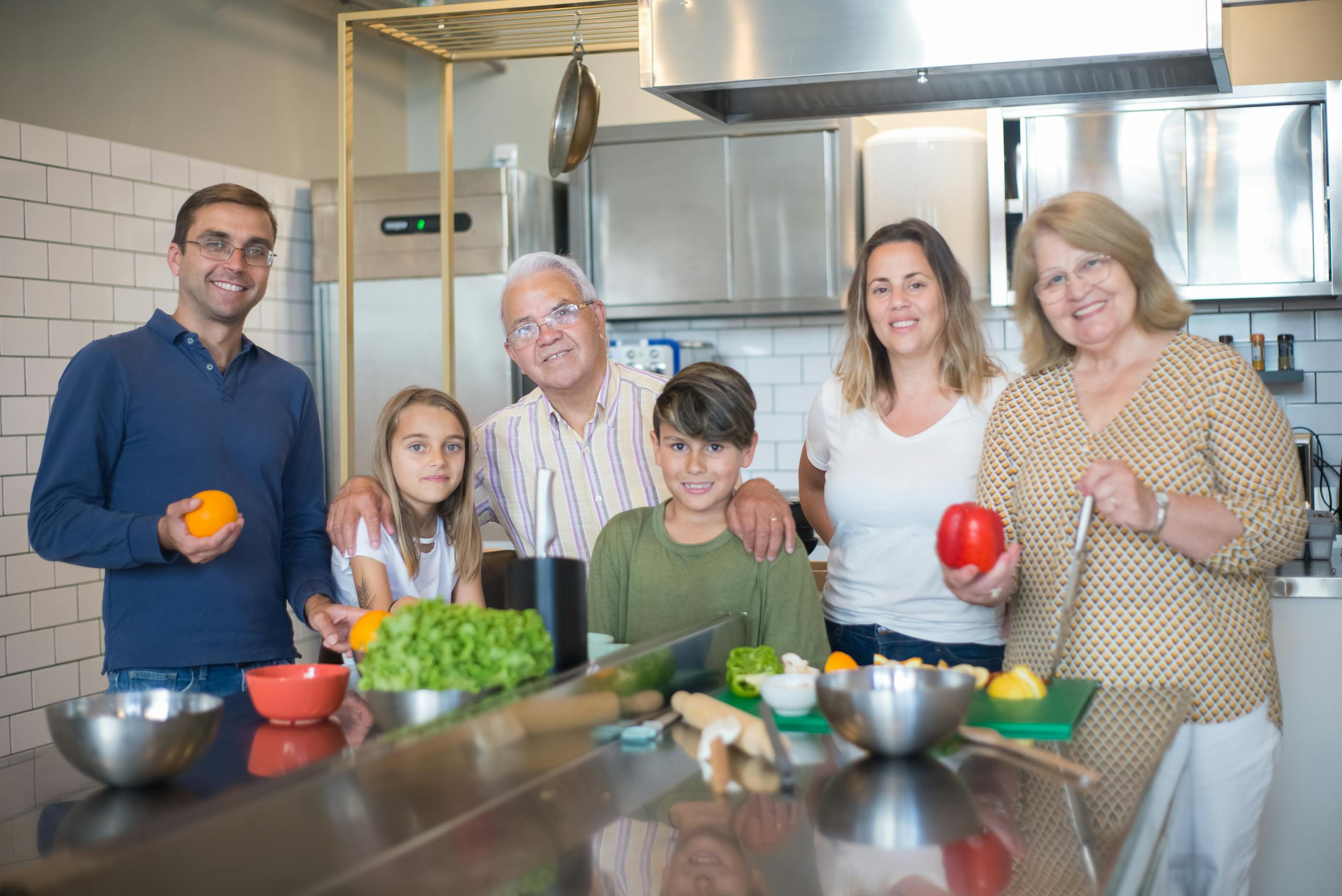
Healthy Cooking Across Generations
In kitchens around the world, something remarkable happens when different generations come together to prepare a meal. Beyond the chopping, stirring, and seasoning lies an opportunity for meaningful connection that benefits both young and old. Research consistently demonstrates that intergenerational cooking programs offer far more than culinary skills—they provide a pathway to improved health outcomes, stronger family bonds, and the preservation of cultural traditions
The Science Behind Shared Meals
Regular family meals have been consistently associated with improved dietary quality, better weight management, and a lower incidence of chronic conditions such as diabetes and cardiovascular diseases (PMC, 2025). When children and older adults cook together, they create an environment where healthy eating habits can be modeled, practiced, and reinforced naturally.
A 2025 systematic review examining intergenerational programs found that most research reported improvements in participants’ well-being after participation. These programs provided biopsychosocial benefits to generations of different ages, helping enhance the pursuit of active aging while establishing strong connections in the community (ScienceDirect, 2025).
Why Intergenerational Cooking Works
For Children
When children participate in cooking activities alongside older adults, they develop:
- Practical life skills that foster independence
- Improved attitudes toward healthy foods they helped prepare
- Enhanced social and communication abilities
- A more empathetic view of older people, breaking down age-related stereotypes
Research on children’s cooking programs demonstrates that hands-on culinary experiences lead to increased willingness to try new foods and better understanding of nutrition concepts (ScienceDirect, 2024).
For Adults
Cooking programs offer seniors:
- Cognitive stimulation through following recipes and measuring ingredients
- Sense of purpose from teaching valuable skills to younger generations
- Reduced feelings of isolation through meaningful social interaction
- Opportunity to share cultural heritage and family traditions
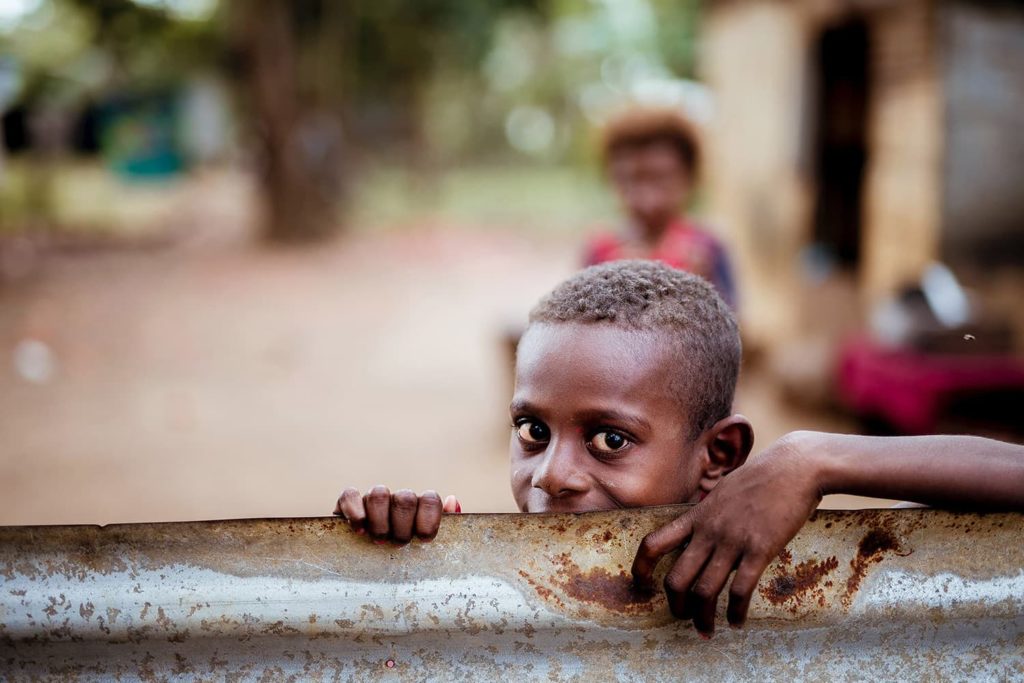
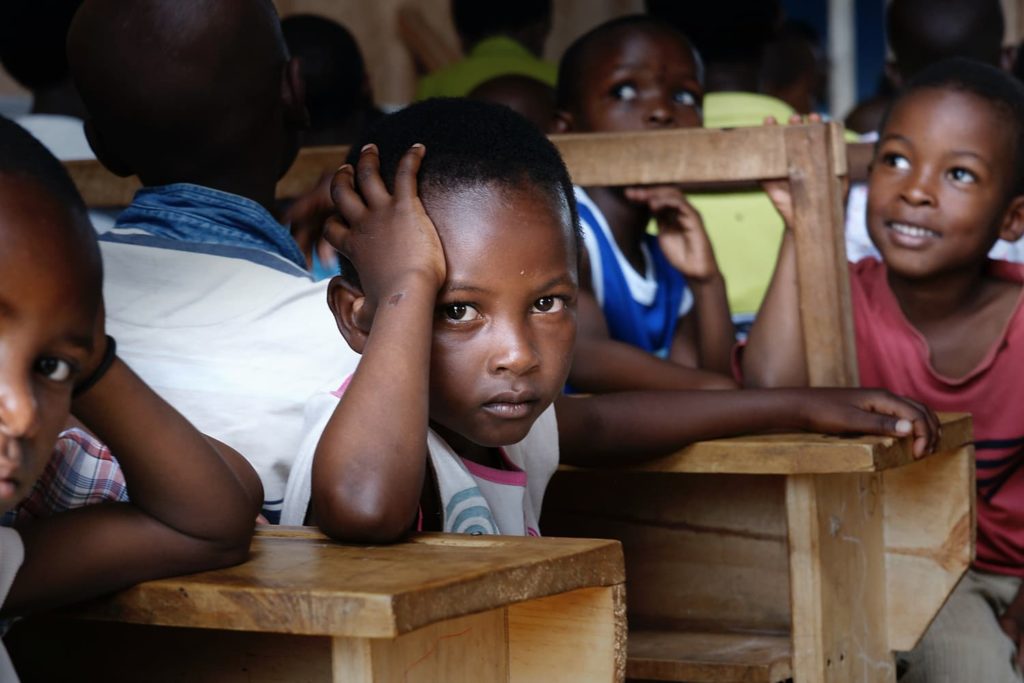
As Murayama et al. (2015) stated, “intergenerational programs could serve as key health promoters among elderly people by decreasing the risk of social isolation and loneliness due to the greater sense of meaningfulness.”
Simple Recipes for All Ages
The following recipes are designed to be safe and accessible for mixed-age groups, requiring no sharp knives or complex techniques for younger participants.
Rainbow Vegetable Wraps
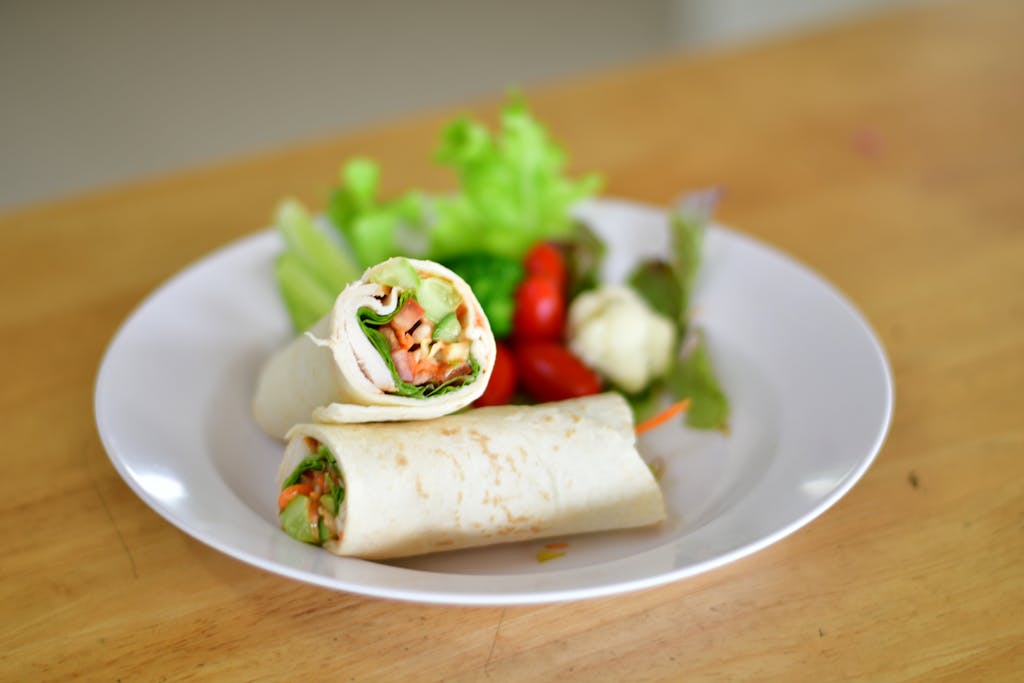
Ingredients:
- Whole wheat tortillas
- Hummus
- Shredded carrots
- Sliced bell peppers (various colours)
- Cucumber strips
- Baby spinach leaves
Instructions:
- Spread hummus evenly on tortilla (great task for small hands)
- Layer vegetables in rows by color
- Layer vegetables in rows by color
- Enjoy discussing the different colors and their nutritional benefits
Overnight Oats Jars
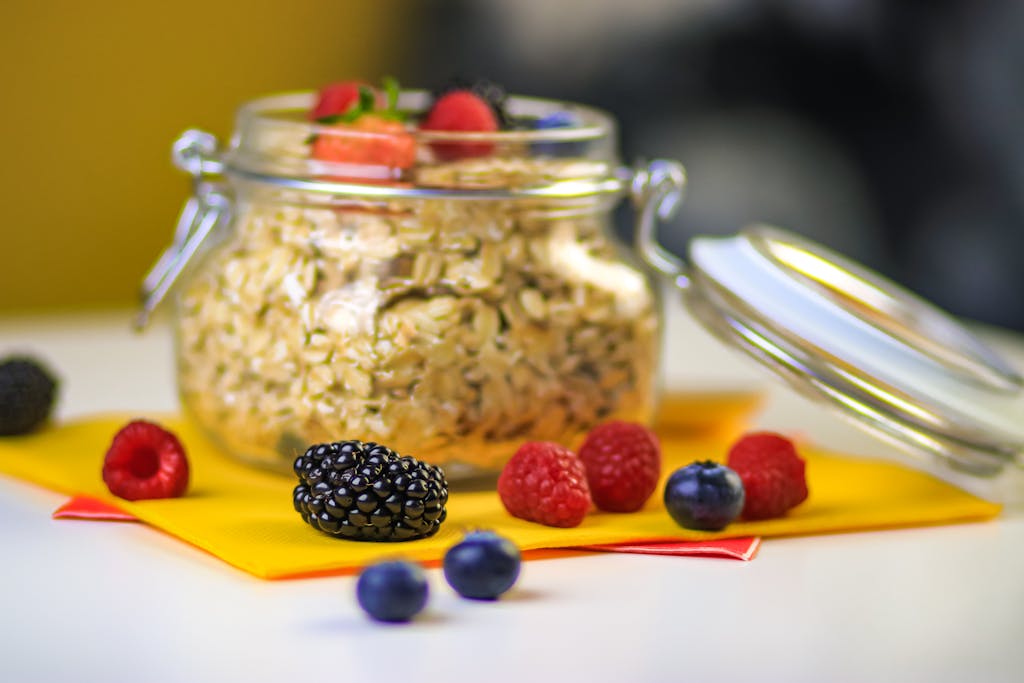
Ingredients:
- Rolled oats
- Milk or plant-based alternative
- Greek yogurt
- Honey
- Fresh berries
- Chopped nuts (for adults)
Instructions:
- Measure oats into mason jars (excellent counting practice)
- Add milk and yogurt
- Stir in honey
- Refrigerate overnight
- Top with berries before serving
This recipe requires no cooking, making it completely safe for intergenerational preparation.
Creating A Safe Cooking Environment
When designing cooking activities for mixed-age groups, consider:
- Workstation height: Provide step stools for children and seated options for seniors with mobility challenges.
- Task assignment: Match tasks to abilities—measuring, mixing, and assembling are suitable for all ages.
- Supervision ratio: Ensure adequate adult oversight, especially when any heat or sharp objects are involved.
- Clear instructions: Use visual aids and step-by-step demonstrations.
The Cultural Dimension
Family meals play a critical role in preserving cultural traditions, transmitting intergenerational knowledge, and fostering social cohesion. When grandparents teach grandchildren to prepare traditional dishes, they pass down more than recipes—they share family history, cultural identity, and a sense of belonging (PMC, 2025).
Building Regular Cooking Connections
- Establish consistency: Weekly or bi-weekly sessions allow relationships to deepen.
- Rotate responsibilities: Let each generation take the lead sometimes.
- Document recipes: Create a family cookbook together.
- Share the meal: Eating together amplifies the social benefits.
- Discuss food origins: Talk about where ingredients come from and their nutritional value.
Conclusion
Intergenerational cooking programs represent a powerful, accessible intervention that addresses multiple health and social needs simultaneously. By bringing young and old together in the kitchen, we create opportunities for improved nutrition, cognitive engagement, cultural preservation, and meaningful human connection.
The research is clear: these shared moments around food preparation and consumption contribute to healthier, happier communities where every generation has something valuable to offer and receive.